Services
Events & Experiences
Enterprise & Training
Gaming & Education


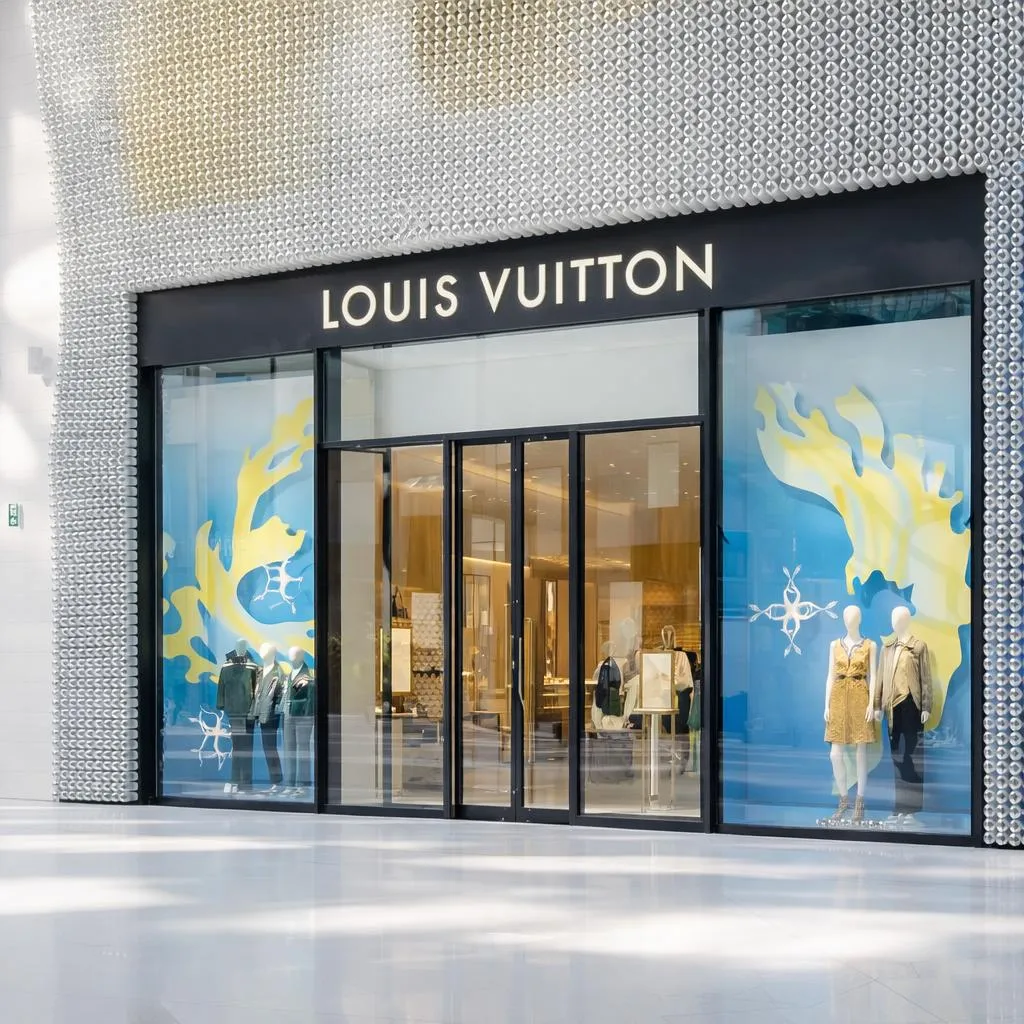
For Louis Vuitton's Under the Sea collection, we created a series of animatronic jellyfish and sea lily sculptures for flagship stores in London, Australia, and South Korea. From design and 3D printing to programming and installation, our team delivered the entire project from start to finish. Each sculpture was designed to move naturally like real sea creatures, creating an eye-catching window display that brought the collection's underwater theme to life and attracted shoppers into the stores.

The brief was precise and uncompromising: design and prototype 3D-printed kinetic sculptures whose motion would be as beautiful and mesmerising as the marine life they represented and whose engineering would be robust enough to survive continuous operation across multiple flagship store environments on three continents. The standard was non-negotiable. A kinetic sculpture that stopped moving on Bond Street would not simply be a mechanical failure it would be a failure visible to thousands of the world's most discerning luxury consumers every single day.
The full scope covered everything from material sourcing and 3D design through to printing, hand assembly, motion programming, intensive stress testing, and coordinated global installation. Working in close collaboration with the collection's artist, the challenge was to translate a creative vision of underwater life into a set of mechanically precise, physically durable, and visually extraordinary animatronic sculptures each one worthy of the Louis Vuitton name.
"Louis Vuitton doesn't accept compromise. Every movement had to feel like the ocean effortless, alive, and completely natural. Getting there required months of design iteration, material testing, and motion programming that most people will never see."

Louis Vuitton Team

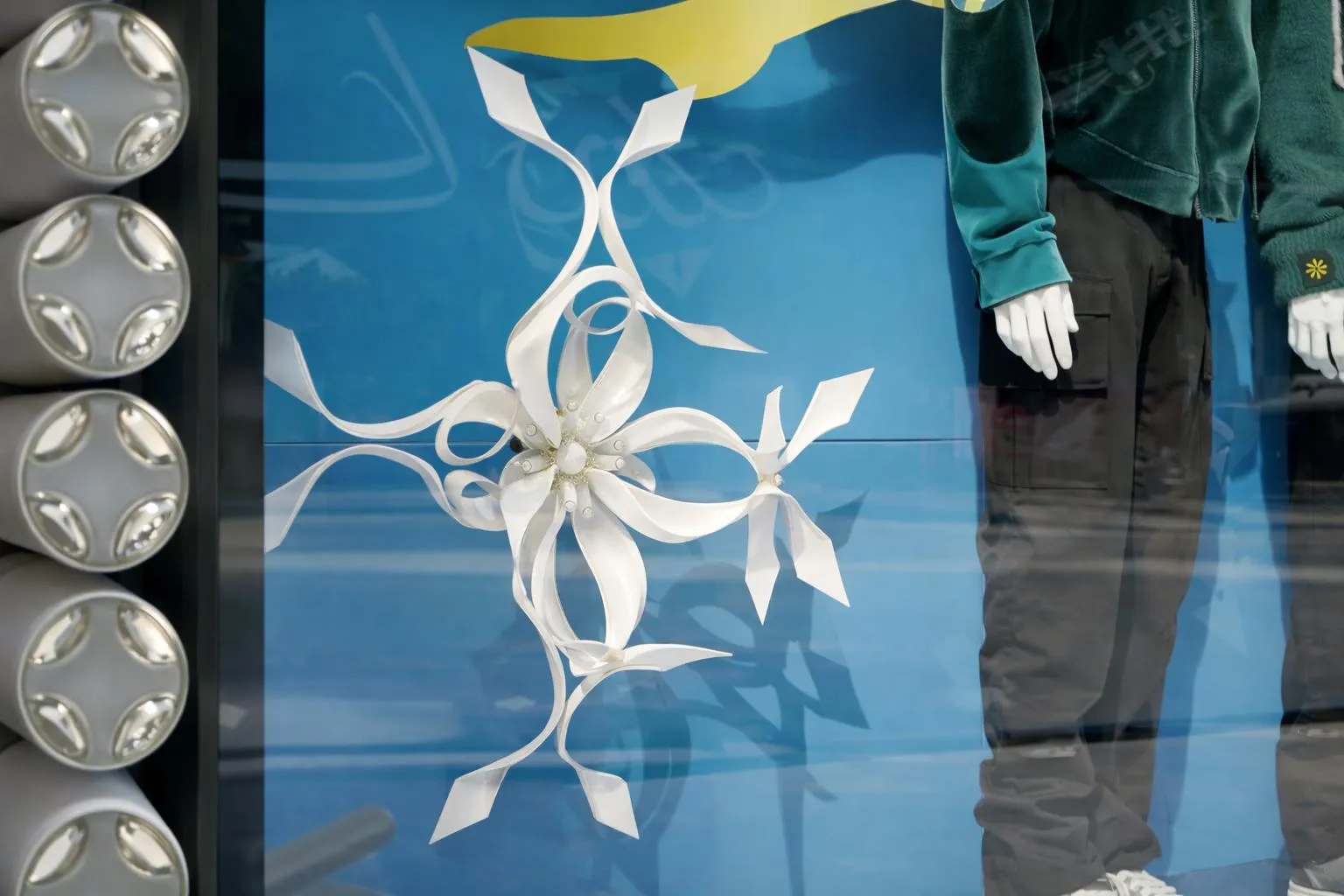



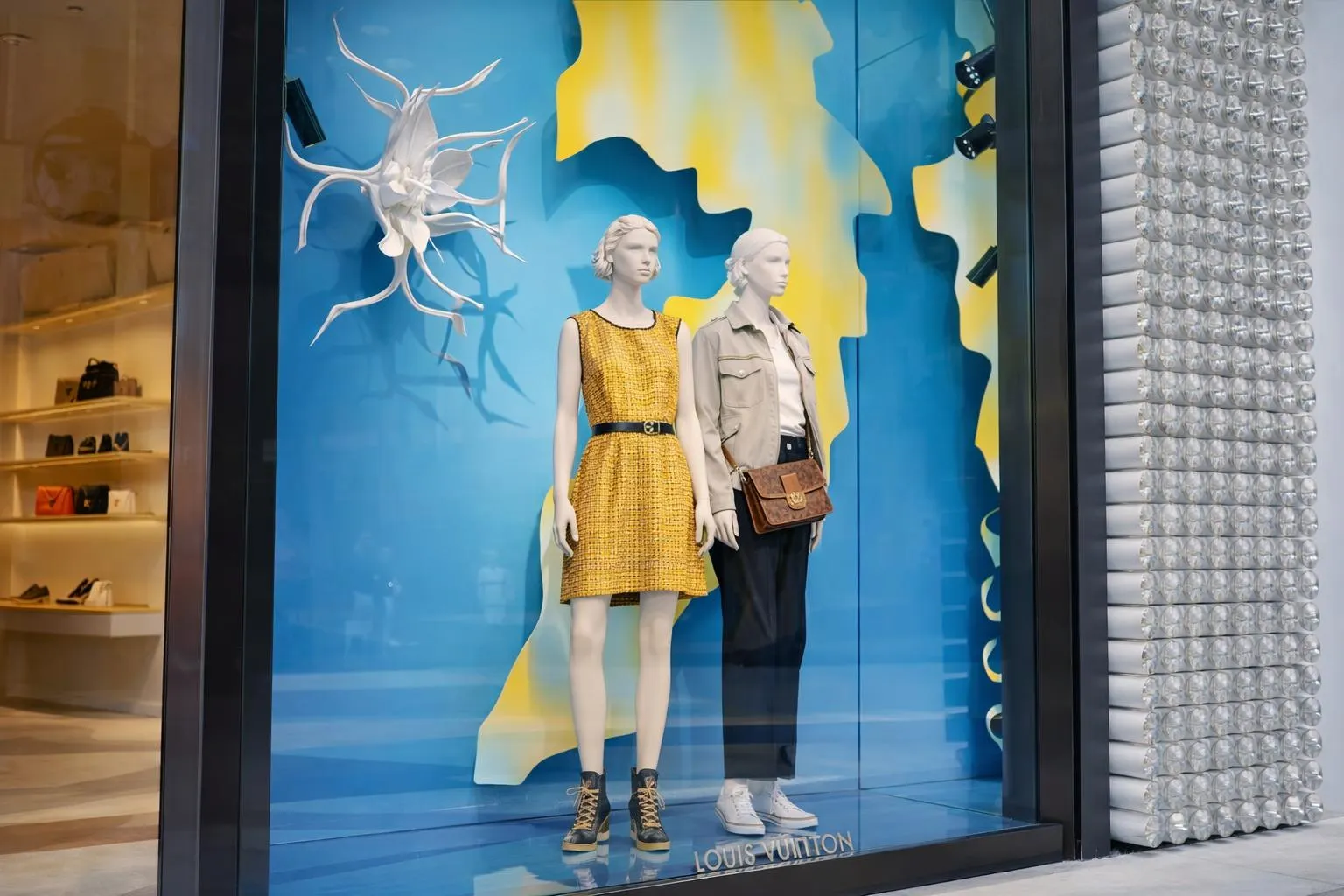


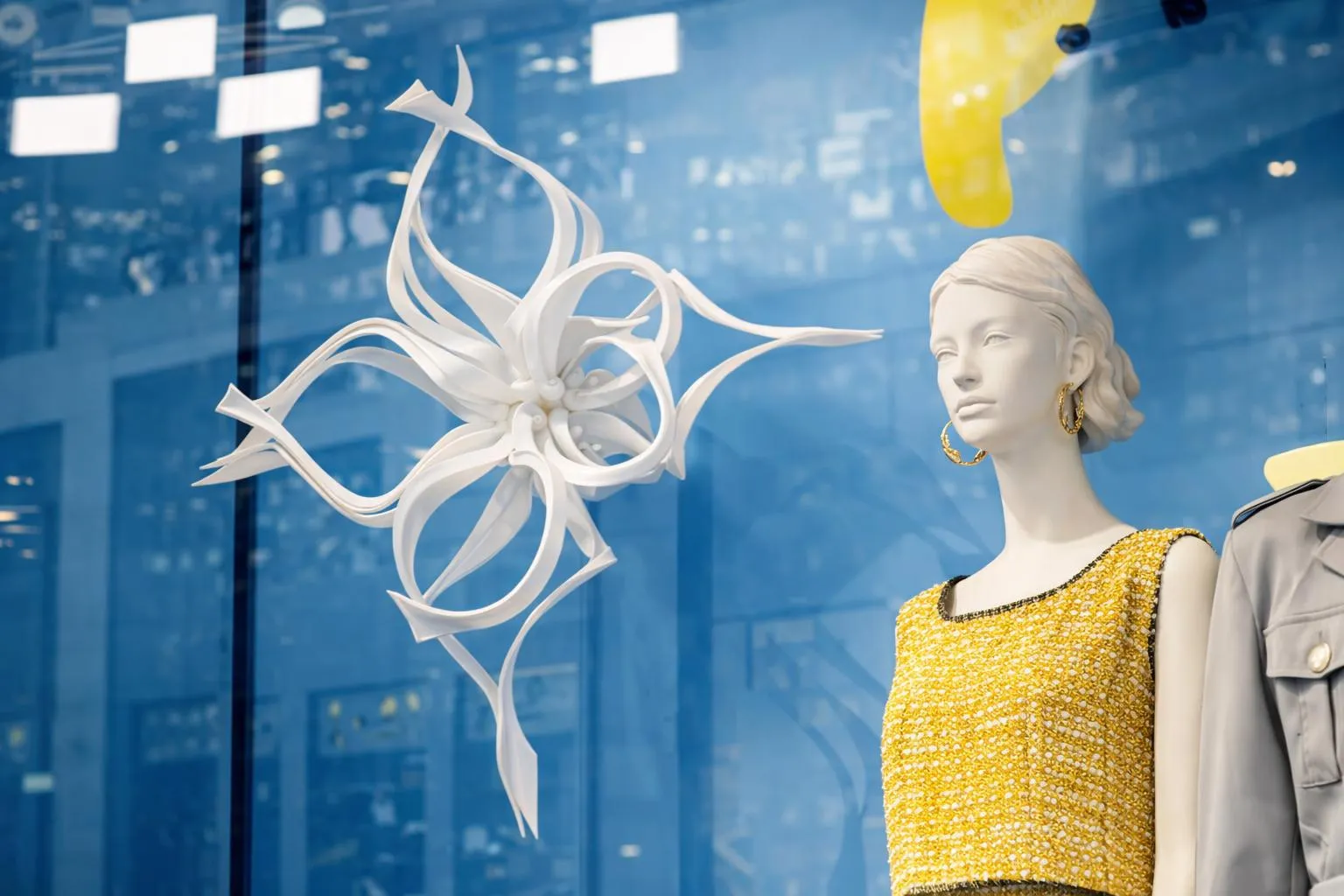
The project stands as one of the most artistically and technically demanding briefs completed to date combining 3D fabrication precision, animatronic engineering, organic motion programming, and luxury retail installation standards into a single end-to-end delivery across three continents simultaneously. It demonstrates that the capability to bring a creative vision to life extends far beyond digital screens and interactive software into the physical world of craft, materials, and movement.
For any brand seeking an installation that crosses the boundary between visual merchandising and kinetic art, the Under the Sea project sets the benchmark for what is possible when engineering ambition and creative collaboration operate at the same level.

We design and build immersive experiences that engage, excite and transform audience interaction combining art, engineering, and next-gen technology to bring brands and spaces to life.